jasondu/dsh-ui-mobile
Mobile client plugin for the DeepSeek Harness Web shell: off-canvas sidebar/details drawers, bottom nav bar, and a touch-first responsive layout below 768px
Listed
1
Ui
Bundle verified
Preview
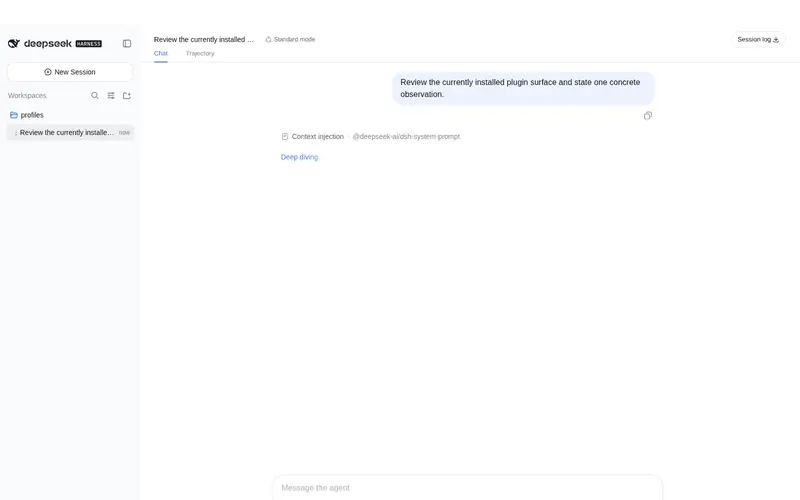
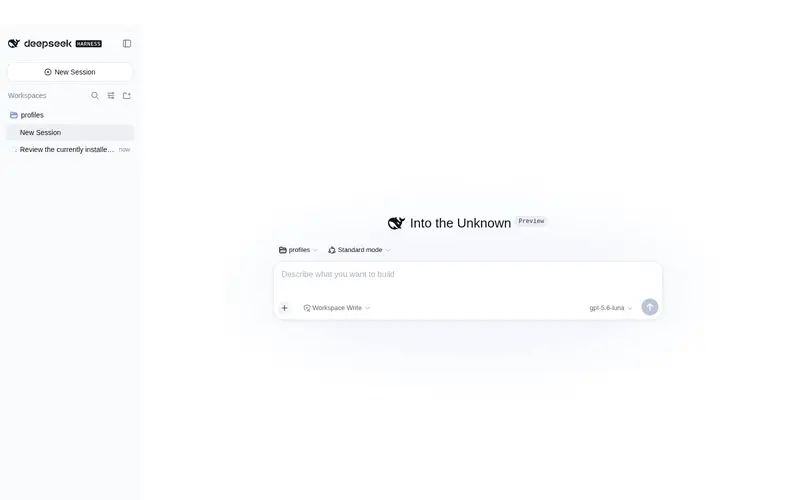
What it does
Mobile-first DeepSeek Harness UI with an installable PWA, responsive navigation, and Web Push notifications when an agent completes successfully.
Best for
- People who regularly start or monitor DSH sessions from a phone and need touch-friendly navigation and input.
- Users who want an installable DSH PWA with system notifications after an agent completes successfully.
Not ideal for
- Desktop- or tablet-only users; the responsive layout changes apply only below 768px.
- Deployments that cannot provide HTTPS, valid VAPID configuration, and notification permission; iOS push also requires iOS 16.4 or later.
README
dsh-ui-mobile


| 中文 | English |
把 DeepSeek Harness 变成一套真正适合在手机上持续使用的工作台:侧栏可单手操作、输入区不会被键盘挤走、可安装为独立 App,并能在 agent 成功完成后主动提醒你回来查看结果。
dsh-ui-mobile 是 DeepSeek Harness Web Shell 的移动端插件。它不重写会话界面,而是在手机宽度下把现有三栏 Shell 转换为更适合触控、PWA 安装和任务完成通知的体验;桌面与平板布局保持原样。
为什么安装
如果你会通过手机查看或发起 Harness 任务,这个插件解决的是高频摩擦,而不是只换一套样式:
- 添加到桌面,获得类 App 体验:把 Web GUI 添加到主屏幕后,可从图标独立启动、没有浏览器地址栏;agent 成功完成时还能收到系统推送,不必反复打开页面确认。
- 手机上也能高效操作:边缘滑动、抽屉导航、新会话菜单和键盘“发送”让核心操作无需放大、缩小或寻找小控件。
- 不牺牲桌面工作流:改动只在 768px 以下启用,电脑与平板继续使用原生 Harness 三栏界面。
- 安装后即可用:插件自带 PWA、Service Worker 和 Web Push 路由,不需要维护 Harness 的 fork 或额外改 Web 源码。
适合需要在移动端跟进长任务、外出时临时发起任务,或希望把 Harness 作为桌面图标中的轻量工作 App、把任务完成提醒交给系统通知的使用者。
你会得到什么
- 手机端抽屉导航:侧边栏与详情面板从屏幕两侧滑出;轻点遮罩、点菜单或从左侧边缘右滑都能管理侧边栏。
- 连续的会话入口:普通会话和空白新会话都提供左上菜单;抽屉打开后会覆盖按钮,避免层级冲突。
- 更适合手机的输入区:输入框固定在可视区底部,防止 iOS 缩放;隐藏 Session log 下载,将 Access mode 放到工具栏最右侧;键盘主操作显示为“发送”。
- 独立 PWA:添加到主屏幕后,从桌面图标启动即获得无地址栏的类 App 体验;插件提供 manifest、图标、Service Worker、启动骨架和安装引导,无需修改 Harness Web 源码。
- 任务完成通知:已安装的 PWA 可在 agent 成功完成时收到 Web Push 通知;通知只在成功完成时发送。
安装
需要一个运行中的 DeepSeek Harness Web Shell。本包是客户端插件,不是独立 Web 应用。
# 从 npm 安装到某个 DSH profile
dsh plugin --profile <profile> add dsh-ui-mobile

# 或从当前仓库 / GitHub 安装
dsh plugin --profile <profile> add github:jasondu/dsh-ui-mobile
插件自带 cordis.patch.yml:它会禁用宿主内置的 ui-mobile,再挂载本插件,以避免两个 PWA 路由和两套移动端样式同时生效。通常不需要手动编辑宿主的 patch 文件。
@deepseek-ai/dsh-client-*是运行时 peer dependencies。应在拥有相应 Harness 依赖的 DSH Web 环境中安装本插件。
手机上的使用方式
| 场景 | 操作 |
|---|---|
| 打开侧边栏 | 点左上菜单,或从屏幕最左侧 24px 向右滑。 |
| 关闭侧边栏 | 点菜单或抽屉外的暗色区域。 |
| 新开会话 | 空白会话顶部同样保留菜单入口。 |
| 发送消息 | 手机键盘显示“发送”;按回车沿用 Harness 的正常发送流程。 |
| 使用桌面 | 宽度达到 768px 后恢复 Harness 原始三栏布局。 |
侧边栏在手机上使用紧凑宽度 min(78vw, 300px),列表保持可读,同时保留足够的遮罩关闭区域。
安装到主屏幕(PWA)
插件的宿主部分会在服务页面时注入 manifest 与 iOS PWA 标签,并通过 /pwa/ 提供图标、manifest 和 Service Worker。
- Android Chrome / Edge:浏览器可安装时会显示一次性安装引导;点“安装”使用浏览器原生流程。
- iOS Safari:引导提示“分享 → 添加到主屏幕”。关闭后不会在该浏览器中再次自动显示。
- 从主屏幕启动:以独立 PWA 运行,不显示浏览器地址栏;普通 Safari 访问仍保留浏览器外壳,这是平台行为。
任务完成 Web Push
插件只在 agent 成功完成时(turn/end,reason.kind: completed)发送通知。为 Web 服务设置 VAPID 和订阅存储路径;私钥与订阅文件不可提交到仓库。
# 三项同时设置;首次运行时将其写入 DSH_WEB_PUSH_VAPID_PATH。
DSH_WEB_PUSH_VAPID_SUBJECT=mailto:ops@example.com
DSH_WEB_PUSH_VAPID_PUBLIC_KEY=<base64url-public-key>
DSH_WEB_PUSH_VAPID_PRIVATE_KEY=<base64url-private-key>

# 后续启动只需保留此路径;文件权限应为 0600。
DSH_WEB_PUSH_VAPID_PATH=/var/lib/dsh/vapid.json
DSH_WEB_PUSH_STORE_PATH=/var/lib/dsh/push-subscriptions.json
在已安装的 PWA 中点按“开启任务完成通知”并授予系统权限即可订阅。iOS 需要 iOS 16.4 或更高版本;DSH_WEB_PUSH_VAPID_SUBJECT 必须是有效邮箱或真实 https:// URL,不能使用 .invalid 占位域名。
架构边界
插件通过 Harness 已公开的 slot、服务与稳定 data-* 属性组合功能:它不复制 Shell,也不修改 Harness 源码。移动端控制器读取现有 AppFrame 状态,响应式样式只针对插件标记的属性;PWA 与 Web Push 路由由插件的 node 部分提供。
模型体验
移动布局、PWA 和通知不改变模型请求、系统提示词、工具 schema 或会话内容。Web Push 仅在宿主已判定 agent 成功完成后向已订阅设备发送事件。
KV Cache 影响
无。本插件不参与请求组装。
已知限制
- 抽屉是 CSS 驱动的固定宽度面板,手机端不支持拖拽调宽。
- 侧边栏支持左边缘滑入;关闭操作为点遮罩或菜单,不支持滑动关闭。
- PWA 安装与键盘“发送”文案受浏览器和系统版本控制;插件提供的是标准 Web 平台提示。
- 任务完成通知需要 HTTPS、有效 VAPID 配置和用户授权。
开发与发布
pnpm install
pnpm bundle
pnpm test
推送 v* 标签会触发 GitHub Actions:安装依赖、构建、运行 publint,再发布到 npm。正式版本使用 latest,预发布版本使用 next。
License
MIT — see LICENSE.
Frequently Asked QuestionsFAQ
Use the verified command dsh plugin --profile default add github:jasondu/dsh-ui-mobile in a DSH-enabled shell. The command resolves the public package metadata and keeps the plugin attached to the catalog identity shown on this page.
Compatibility follows the bundle and profile status shown above. If a profile is not detected, keep the plugin disabled there and check the repository documentation before enabling it in production.
The GitHub link and activity metadata are the source of truth for releases and maintenance. Revisit this page after a new release to confirm the catalog has observed the latest version.