zimai233/dsh-wash-calendar
Recurring habit scheduling calendar for DeepSeek Harness. Turn last-wash dates and intervals into next-occurrence, schedule, check and advice tools for any recurring health/habit routine.
Listed
0
Tools
Bundle verified
Preview
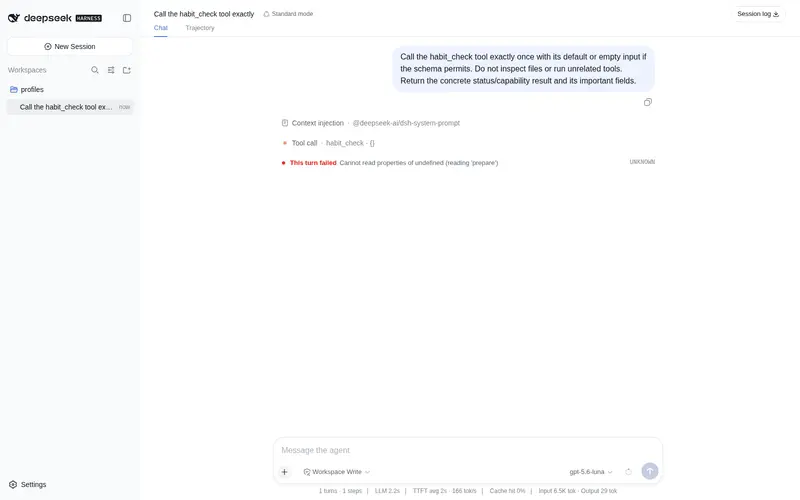
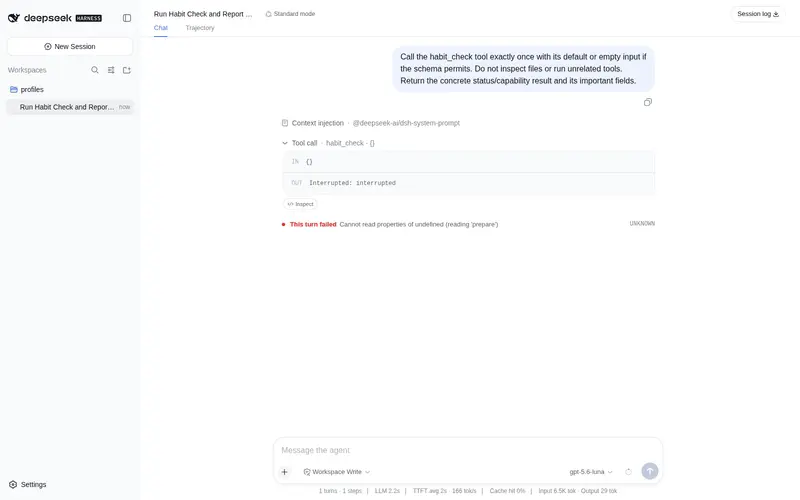
What it does
Recurring-habit scheduling from pure date math: next occurrence, range schedules, and overdue advice.
Best for
- People scheduling a habit from its last occurrence and a fixed daily interval.
- Workflows that need the next date, an inclusive range schedule, or a check for one specific day.
- Simple routines such as washing, watering, medication changes, exercise, or cleaning that recur every one to seven days.
Not ideal for
- Monthly, weekday-based, irregular, or otherwise non-fixed recurrence rules.
- Habits with intervals longer than seven days, because the documented interval range is 1-7.
- Calendar workflows that require reminders, notifications, completion history, or synchronization rather than date calculation alone.
README
dsh-wash-calendar
用于 DeepSeek Harness 的周期性习惯打卡日历。
把「上次洗护日期 + 间隔天数」变成四个可被 Agent 直接调用的工具:下一次提醒、区间排期、单日校验、文字建议。无需任何前端页面,直接在对话中管理所有周期性健康习惯。
为什么
DSH 插件生态中 health/habit(健康/习惯)分类是空的——没有任何插件能帮 Agent 计算周期性的习惯排期。本插件填补了这个空缺:它把洗护日历的日期数学(ISO 日期辅助、间隔推算、排期枚举)提炼为四个工具,覆盖「下次啥时候、这段区间内有哪些天、某天是不是、现在该怎么办」四个问题。
功能
-
habit_next— 计算今天之后的下一次习惯日,返回{ nextDate, daysUntil }。 -
habit_schedule— 枚举某段日期区间内所有计划中的习惯日(含首尾)。 -
habit_check— 校验某一天是否是排期日,并给出距上次的天数{ scheduled, daysSince }。 -
habit_advice— 直接返回一句中文建议:「今日洗护」「距下次洗护还有 N 天」「已逾期 N 天,建议尽快」。 - 零构建步骤——纯 ESM,发布的包就是运行时代码。无
prepare脚本、无需构建权限。
安装
# 从 npm 安装
dsh plugin --profile myprofile add dsh-wash-calendar

# 从 GitHub 安装(锁定 commit,保障供应链卫生)
dsh plugin --profile myprofile add github:zimai233/dsh-wash-calendar#<sha>
用法
用自然语言告诉 Agent:
「我上次洗护是 2026-08-01,每 4 天一次。今天该不该洗?下次是哪天?帮我列出 8 月剩下的排期。」
Agent 会依次调用:
// habit_check
{ "dateISO": "2026-08-14", "lastDate": "2026-08-01", "interval": 4 }
// -> {"scheduled":false,"daysSince":13}

// habit_next
{ "lastDate": "2026-08-01", "interval": 4, "today": "2026-08-14" }
// -> {"nextDate":"2026-08-17","daysUntil":3}

// habit_schedule
{ "lastDate": "2026-08-01", "interval": 4, "startISO": "2026-08-14", "endISO": "2026-08-31" }
// -> ["2026-08-17","2026-08-21","2026-08-25","2026-08-29"]

// habit_advice
{ "lastDate": "2026-08-01", "interval": 4, "today": "2026-08-14" }
// -> "已逾期 9 天,建议尽快"
洗护之外的场景同样适用:浇花、喂鱼、换药、锻炼、大扫除……任何「上次时间 + 固定间隔」的周期性习惯。
工具参考
| 工具 | 参数 | 返回 |
|---|---|---|
habit_next |
lastDate (string, 必填), interval (number, 必填, 1-7), today? (string, 默认今天) |
{ nextDate, daysUntil } |
habit_schedule |
lastDate, interval, startISO, endISO (均必填) |
排期 ISO 日期数组 |
habit_check |
dateISO, lastDate, interval (均必填) |
{ scheduled, daysSince } |
habit_advice |
lastDate, interval, today? (默认今天) |
纯文本建议 |
日期一律使用 YYYY-MM-DD ISO 格式;interval 表示相邻两次之间的天数(1-7)。
开发
npm install
npm test          # 对纯函数核心运行 node:test 测试
npm run pack      # 预演发布(等价于 pnpm pack)
License
MIT
dsh-wash-calendar
Recurring habit scheduling calendar for DeepSeek Harness.
Turn a “last occurrence + interval” pair into four agent-callable tools: next reminder, range schedule, single-day check, and plain-text advice — for any recurring health/habit routine, directly from your conversation.
Why
The health/habit category is empty in the DSH plugin ecosystem — no plugin helps an agent compute recurring habit schedules. This plugin fills that gap: it extracts the wash-calendar’s date math (ISO date helpers, recurrence computation, schedule enumeration) into four tools answering “when is next”, “which days in this range”, “is this day one”, and “what should I do now”.
Features
-
habit_next— next occurrence strictly after today, returning{ nextDate, daysUntil }. -
habit_schedule— every scheduled date inside an inclusive range. -
habit_check— is a given date a scheduled occurrence, plus days since the anchor. -
habit_advice— a short text recommendation: “今日洗护” (wash today), “距下次洗护还有 N 天” (N days to go), or “已逾期 N 天,建议尽快” (overdue by N days). - Zero build step — pure ESM, the published package is the runtime code. No
preparescript, no build permission needed.
Install
# from npm
dsh plugin --profile myprofile add dsh-wash-calendar

# from GitHub (lock the commit for supply-chain hygiene)
dsh plugin --profile myprofile add github:zimai233/dsh-wash-calendar#<sha>
Usage
Ask the agent in natural language:
“My last wash was 2026-08-01, every 4 days. Should I wash today? When is next? List the remaining August schedule.”
The agent calls:
// habit_check
{ "dateISO": "2026-08-14", "lastDate": "2026-08-01", "interval": 4 }
// -> {"scheduled":false,"daysSince":13}

// habit_next
{ "lastDate": "2026-08-01", "interval": 4, "today": "2026-08-14" }
// -> {"nextDate":"2026-08-17","daysUntil":3}

// habit_schedule
{ "lastDate": "2026-08-01", "interval": 4, "startISO": "2026-08-14", "endISO": "2026-08-31" }
// -> ["2026-08-17","2026-08-21","2026-08-25","2026-08-29"]

// habit_advice
{ "lastDate": "2026-08-01", "interval": 4, "today": "2026-08-14" }
// -> "已逾期 9 天,建议尽快"
Works for far more than washing: watering plants, feeding fish, refilling medication, exercising, cleaning — any recurring “last time + fixed interval” habit.
Tool Reference
| Tool | Parameters | Returns |
|---|---|---|
habit_next |
lastDate (string, required), interval (number, required, 1-7), today? (string, default today) |
{ nextDate, daysUntil } |
habit_schedule |
lastDate, interval, startISO, endISO (all required) |
Array of scheduled ISO dates |
habit_check |
dateISO, lastDate, interval (all required) |
{ scheduled, daysSince } |
habit_advice |
lastDate, interval, today? (default today) |
Plain-text recommendation |
All dates use YYYY-MM-DD ISO format; interval is the days between consecutive occurrences (1-7).
Development
npm install
npm test          # runs node:test against the pure core
npm run pack      # dry-run publish (pnpm pack equivalent)
License
MIT
Frequently Asked QuestionsFAQ
Use the verified command dsh plugin --profile default add github:zimai233/dsh-wash-calendar in a DSH-enabled shell. The command resolves the public package metadata and keeps the plugin attached to the catalog identity shown on this page.
Compatibility follows the bundle and profile status shown above. If a profile is not detected, keep the plugin disabled there and check the repository documentation before enabling it in production.
The GitHub link and activity metadata are the source of truth for releases and maintenance. Revisit this page after a new release to confirm the catalog has observed the latest version.